Leírás
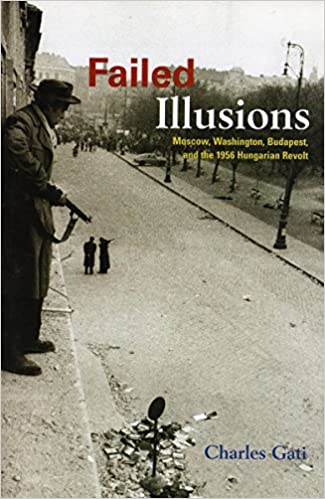
The 1956 Hungarian revolution, and its suppression by the U.S.S.R., was a key event in the cold war, demonstrating deep dissatisfaction with both the communist system and old-fashioned Soviet imperialism.

$ 25.00
The 1956 Hungarian revolution, and its suppression by the U.S.S.R., was a key event in the cold war, demonstrating deep dissatisfaction with both the communist system and old-fashioned Soviet imperialism.
Elfogyott
The 1956 Hungarian revolution, and its suppression by the U.S.S.R., was a key event in the cold war, demonstrating deep dissatisfaction with both the communist system and old-fashioned Soviet imperialism.

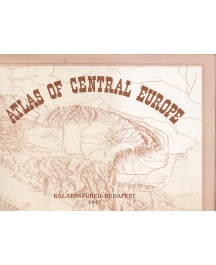
(leather cover, numbered copy) The country was disrupted into three parts during the Ottoman expansion then two of its parts were united. The large area became one political unit again in the middle of the 19th century. The nation was split into five parts in 1920.