Leírás
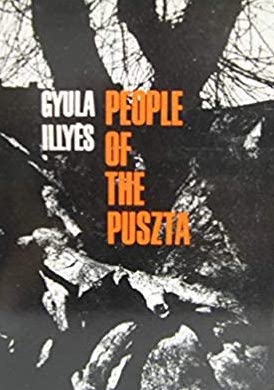
People of the puszta is a part an auto-biography, part sociography (of a society that has now mostly disappeared), part a description a landscape, meshed with bits of the cultural heritage of the people who inhabit that landscape.

$ 25.00
People of the puszta is a part an auto-biography, part sociography (of a society that has now mostly disappeared), part a description a landscape, meshed with bits of the cultural heritage of the people who inhabit that landscape.
1 készleten
People of the puszta is a part an auto-biography, part sociography (of a society that has now mostly disappeared), part a description a landscape, meshed with bits of the cultural heritage of the people who inhabit that landscape.
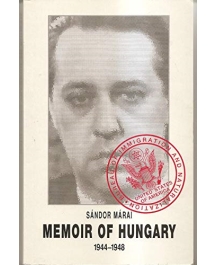
A seamless combination of the political, literary and personal history of postwar Hungary. This scathing, at times humorous, and always insightful memoir by exiled Hungarian novelist Sandor Marai provides one of the most poignant and humanly alive portraits of life in Hungary between the German occupation in 1944 and the solidification of communist power in 1948.

This steely account of a childhood on the run, first from the Nazis and then as a refugee in postwar Europe, serves as a fitting memorial to the author, who died in December 1996, shortly before the book was published. Magda Denes settled in America and became a psychoanalyst, which may explain her total lack of sentimentality about her youthful self. The fierce emotions of childhood–exacerbated in this case by the danger she faced as a Jew in fascist Hungary–have seldom been better portrayed.
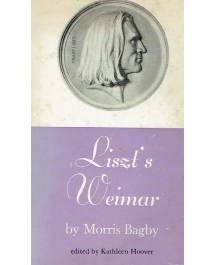
Albert Morris Bagby spent the summer of 1885 in Weimar, where he attended Liszt’s classes. In the guise of a light-hearted autobiographical novel, this romantic tale reveals the characters of several real-life individuals who were part of Liszt’s circle