Leírás
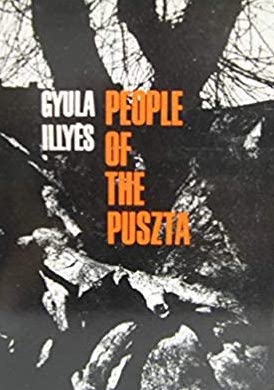
People of the puszta is a part an auto-biography, part sociography (of a society that has now mostly disappeared), part a description a landscape, meshed with bits of the cultural heritage of the people who inhabit that landscape.

$ 25.00
People of the puszta is a part an auto-biography, part sociography (of a society that has now mostly disappeared), part a description a landscape, meshed with bits of the cultural heritage of the people who inhabit that landscape.
1 készleten
People of the puszta is a part an auto-biography, part sociography (of a society that has now mostly disappeared), part a description a landscape, meshed with bits of the cultural heritage of the people who inhabit that landscape.
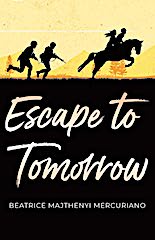
Each day is a struggle to survive…
About the Author: I grew up in a small, peaceful Canadian town, listening to the stories of my immigrant parents’ childhood experiences. Their courage and determination provided me with opportunities that many of their generation were denied. In discussing the large events that shaped the great wars, the impact on the little people is often overlooked. The course of millions of lives was changed, and millions of people suffered hunger, poverty, and torture. I feel that it was important to tell a few of their stories before they are forgotten.

Powerful storytelling and sharp observation, leavened with marvelous wit and style, combine to deliver one of the most vivid memoirs ever written.

This steely account of a childhood on the run, first from the Nazis and then as a refugee in postwar Europe, serves as a fitting memorial to the author, who died in December 1996, shortly before the book was published. Magda Denes settled in America and became a psychoanalyst, which may explain her total lack of sentimentality about her youthful self. The fierce emotions of childhood–exacerbated in this case by the danger she faced as a Jew in fascist Hungary–have seldom been better portrayed.

The novel brilliantly captures the challenge of growing up in two different worlds: Hungarian and American. The inability to feel totally at home in either environment, the loneliness of being without relatives in America, and the deeply-felt isolation of leading a marginal existence within the boundaries of two cultures